
When I first got started as a music producer, it was the late 90’s. We didn’t have the amount of awesome soft synths and plugins that you can instantly download these days, so making electronic music was incredibly expensive as it required a lot of hardware gear, which was often hundreds or thousands of pounds.
‘If only I could afford some proper hardware…’ I used to think to myself. I was a teenager at this time and had very little to no money most of the time, so my hopes of having a lot of this equipment to play with and create my own music were a long way away.
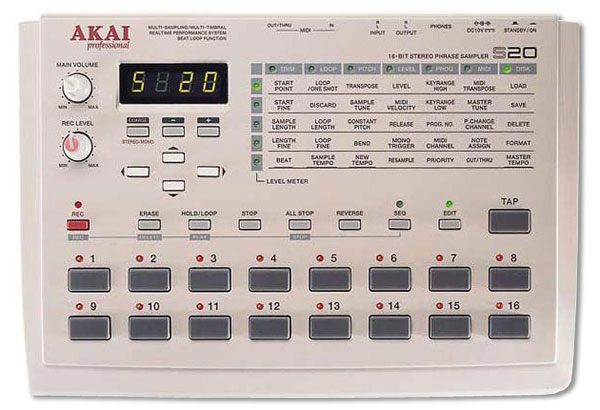
I saved up from working in an electronic store, a bakery and some other shitty jobs to eventually buy my first ever sampler, the AKAI S20.
I was inspired mostly by the mighty DJ Shadow, who was the first producer to ever make an entire album entirely from samples of other records. His ‘Endtroducing’ album took my mind to another world and was a refreshing change from the usual heavy guitar orientated music of the time.
In fact, most of the music coming out on MoWax and Ninja Tune was doing it for me, and my music was a jazzy hip hop kind of sound. I was getting more and more into drum and bass in the late 90’s, but I didn’t have the equipment to produce sounds that would live up to that ‘authentic’ drum and bass sound.
Sadly, the S20 was built as a budget piece of kit to attract entry level beginners to sampled music like myself at the time.
I kept thinking ‘If only this sampler had a sequencer that could actually quantize the patterns I record so that they’re perfectly in time…’
But I just worked with what I had and bashed out a large number of trip-hop tracks with this very basic piece of kit.
While studying (ahem) at Cardiff University, I saved up more money and eventually bought a very similar sampler to the one DJ Shadow had used to make his album. He used the MPC60, and I bought the latest model available at the time – the MPC2000XL. This was around the year 2000.
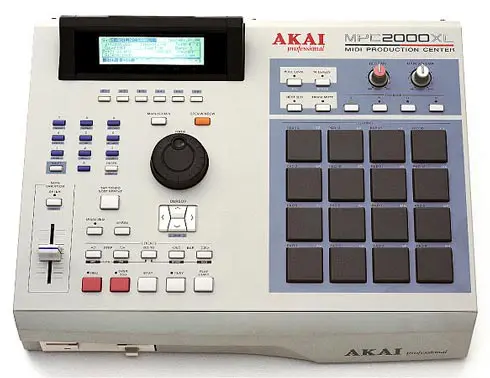
Compared to the S20 sampler I had owned previously, this thing was a beast. It had some rudimentary FX (eq, reverb, etc.) and a much more powerful sequencer that you could program using the big black dial and tiny interface, and it felt in some way similar to the way session view works in Ableton Live.
It was such awesome fun to make music with, that my studies took even more of a back seat as I strove to break into the scene as a music producer.
I was using a really shit Yamaha keyboard to record sounds into the MPC and then sequence them into arrangements. By doing this, I was finally able to create the music I really loved – drum and bass.
But I kept thinking to myself, ‘If only I could make more authentic bass sounds than this.’
And that is what leads me to share with you the two words that every producer must avoid – ‘IF ONLY’.
Here are some typical examples of things we think to ourselves when producing:
- If only I could afford better monitors than the ones I have now
- If only I could collaborate with better producers
- If only I could find a great singer to work with
- If only I could afford that new plugin / synth / DAW / computer
The point is, if you keep thinking about all of the ‘if onlys’, you’re never going to learn to make do with what you have, get on with it and live in the moment as you create new music.
We could all easily blow $5000 on a bunch of stuff to make our studios better, and those new shiny objects might help us to make better music, or they may inhibit our music making abilities, at least initially, because of the learning curve involved with trying to understand how to use them properly. An overly perfect studio environment might kill your creativity!
The point is, if you want to succeed as a music producer (and what defines ‘success’ is different for each person!), you’ve got to hustle. You’ve got to kill all your distractions and put in the time and effort to hone your skills, hone your own unique sound, and make shit happen.
Make do with what you have, be grateful for what you have (and the great times we live in when it comes to technology!) and make great music!
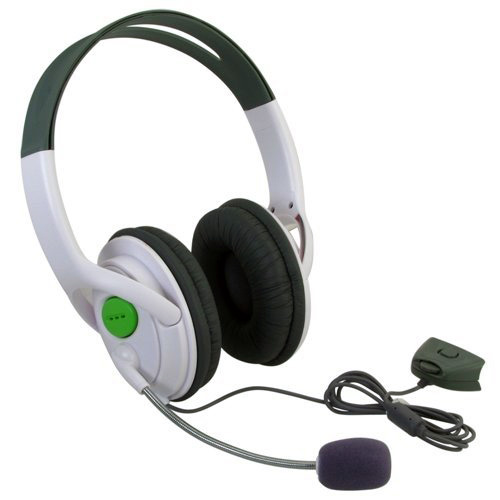
Does it matter that your monitors suck? No! Koan Sound produced many of their tracks using a pair of XBOX headphones!
Does it matter that you don’t have Serum yet? As awesome as the soft synth is, what matters is the music you write – sound design can still be great if you make the most of what you have. It will also force you to experiment more to come up with more unique sounds using limited equipment.
[Full disclosure] I kept the MPC all the way from 2000 to 2012, when I sold it to a hip hop fanatic in Canada. Despite the unstoppable rise of music software, I made the most of what I could with that MPC for many many years.
These days I miss that bit of kit and sometimes find myself thinking ‘If only I’d kept it!’, but you can’t look at the ‘if onlys’…
So stop looking at your Facebook feed, turn off your phone, turn off your internet connection, stop thinking that you can’t do anything until you get that next bit of kit/software, throw down a phat beat, and start making some effing music!
To show this content you have to accept our cookies.
To show this content you have to accept our cookies.
Leave a comment here and let me know what you think about the message in this article!
That’s a fantastic message.
I especially like how Koan sound used a pair of xbox headphones to produce most of their songs.
I was making neuro basses with a pair of AKG 702’s and then made some with my KRK rokkit and sub set up and found that my headphone basses came out less full and less bassy.
I said ‘if only I had a sub pac, but do those really work?’
then ‘ if only i could try a sub pac’
then ‘ if only I lived in my own whole house and spent more on rent to use my sub at all hours’
so i spent a few hours over a few days looking at new homes!
When – really, I just made some cool neuro sounds that aren’t bass patches and those are going to be incredibly useful. Great article. “Keep making music.”
10,000 hours of sound design. 10,000 hours of songwriting. 10,000 hours of mixing.
Aint nothing to it but to do it.
Greetings!
This is an excellent post and a good reminder for those (like myself) who often fall into the trap of purchasing more and more plugins and gear, thinking that the next new thing will suddenly and magically improve music productions.
I also remember a quote I read online (cannot remember from whom or where) that said it is better to use proper settings on an average plugin than to use incorrect settings on a more professional one. In many cases, it is the skillful application of production tools that are more important than the tools themselves.
Thank you for your post and for this excellent website!
Best,
Shan 🙂