

Estimated reading time: 6 minutes
The Birth of a Musical Revolution
In the late 1980s, a sonic revolution emerged from the underground clubs of Chicago that would forever change the landscape of electronic music. Acid House, characterized by its distinctive squelching sound produced by the Roland TB-303 bass synthesizer, became more than just a genre – it sparked a cultural movement that spread like wildfire across the globe.
The story begins with a humble piece of equipment. The Roland TB-303, originally designed as a bass accompaniment for guitar players, was a commercial failure in its intended market. However, when early house music producers discovered that manipulating its controls could create otherworldly, psychedelic sounds, they inadvertently birthed a new genre.
Table of contents
The Sound That Defined an Era
The Magic of the Roland TB-303
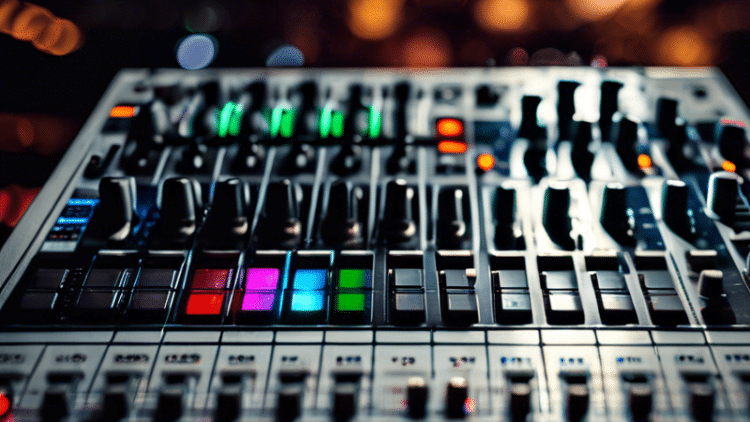
The iconic Roland TB-303 bass synthesizer became the cornerstone of acid house music. Its unique sound came from its ability to produce resonant, squelching basslines that could be tweaked in real-time using the filter cutoff and resonance controls. This distinctive sound became the signature element that set acid house apart from other electronic music genres.
The 303’s limitations became its strengths. Producers found that by pushing the machine beyond its intended use, they could create hypnotic, otherworldly sequences that perfectly complemented the four-on-the-floor beat of house music. The result was a sound that was both alien and addictive.
Key Tracks and Pioneers
Several groundbreaking tracks helped establish acid house as a legitimate musical force:
- “Acid Tracks” by Phuture (1987)
- “We Call It Acieed” by D.Mob (1988)
- “Acid Man” by Jolly Roger (1988)
- “Acperience 1” by Hardfloor (1992)
Artists like Luke Vibert, Aphex Twin, and Richie Hawtin took the genre in new directions, experimenting with the acid sound and incorporating it into various electronic music styles. Their innovative approaches helped acid house evolve beyond its original form.
The Cultural Impact
From Underground to Mainstream
The acid house scene quickly grew from underground parties to large-scale raves. The movement was particularly significant in the UK, where it coincided with the “Second Summer of Love” in 1988. Acid house venues popped up across the country, while illegal warehouse parties became increasingly common.
The iconic acid house smiley face became a symbol of the movement, appearing on t-shirts, flyers, and record sleeves. This simple image represented the positive, inclusive atmosphere that acid house culture promoted.
Moral Panic and Media Response
“Acid house wasn’t just about the music – it was about freedom, unity, and breaking down social barriers.”
The mainstream media’s response to acid house was often negative, leading to a moral panic about youth culture and drug use. However, this opposition only served to strengthen the movement’s counter-cultural appeal and solidarity among its devotees.
Musical Evolution and Influence
The Birth of New Genres
Acid house’s influence extended far beyond its original form, inspiring numerous sub-genres:
- Acid techno
- Acid breaks
- Acid jazz
- Ambient acid
These offshoots demonstrated the versatility of the acid sound and its ability to cross-pollinate with other musical styles.

Production Techniques and Innovation
The production techniques pioneered in acid house continue to influence electronic music today. Modern producers still emulate the sound of the TB-303 using software synthesizers and hardware clones, while the concept of filter manipulation remains central to electronic music production.
The Modern Acid House Scene
Contemporary Artists and Labels
Today’s acid house scene remains vibrant, with artists like Chris Moss Acid and TB Arthur carrying the torch forward. Modern producers often combine classic acid house elements with contemporary production techniques, creating fresh interpretations of the genre.
Digital Revolution and Accessibility
While original Roland TB-303s have become expensive collectors’ items, modern technology has made acid house production more accessible than ever. Software emulations and affordable hardware alternatives have democratized the ability to create acid-style tracks.
The Legacy Lives On
Cultural Impact and Continuing Influence
The impact of acid house extends beyond music into fashion, art, and social movements. The genre’s DIY ethos and focus on community continue to inspire new generations of electronic music producers and fans.
Modern Events and Celebrations
Acid house-themed events and parties continue to draw crowds worldwide. These celebrations often combine classic tracks with modern productions, introducing new audiences to the genre while satisfying long-time fans.
Looking to the Future
Innovation and Tradition
As electronic music continues to evolve, acid house remains a touchstone for producers and DJs. The genre’s fundamental elements – hypnotic rhythms, squelching basslines, and gradual evolution of patterns – continue to influence modern dance music.
Preserving the Spirit
While the technology and context may have changed, the essential spirit of acid house remains intact. The genre’s emphasis on community, experimentation, and transcendent musical experiences continues to resonate with new generations.
VIDEO: Music genres: ACID HOUSE – 3 Things to know about… #dj #music #history
Conclusion
Acid house represents more than just a musical genre – it’s a cultural movement that changed the course of electronic music history. From its humble beginnings with the Roland TB-303 to its global influence on music and culture, acid house has maintained its relevance and impact.
Whether experienced through original vinyl releases or modern digital productions, the distinctive sound of acid house continues to captivate audiences and inspire producers. As we look to the future, the genre’s influence shows no signs of waning, proving that great ideas in music never truly go out of style.
The acid house revolution may have begun in the late 1980s, but its journey continues, driven by both devoted veterans and newcomers discovering its unique charm for the first time. In an ever-evolving electronic music landscape, acid house remains a powerful reminder of music’s ability to unite, inspire, and transform.
Related posts
FAQs
Acid House is an electronic music genre that originated in late-1980s Chicago. Defined by its squelchy bass sounds from the Roland TB-303 synthesizer, it began as an experimental offshoot of house music but quickly grew into a cultural movement.
The TB-303 bass synthesizer was crucial in creating Acid House’s signature sound. By manipulating the device’s resonance and cutoff controls, producers generated psychedelic, hypnotic basslines that became the foundation of the genre.
Acid House shaped a generation, promoting unity and freedom through music. Its influence expanded beyond clubs, with symbols like the smiley face representing the positive, inclusive spirit of the movement, especially notable during the UK’s “Second Summer of Love.”
Essential Acid House tracks include “Acid Tracks” by Phuture and “We Call It Acieed” by D.Mob. Pioneering artists such as Luke Vibert and Richie Hawtin pushed the genre forward, blending its elements with other electronic music styles.
Yes, Acid House remains influential in electronic music, with modern producers using updated tools to recreate its sound. Its legacy lives on in contemporary music, fashion, and art, showing that its impact extends far beyond its 1980s origins.