

Estimated reading time: 10 minutes
Introduction: The Magic of Sampling in Modern Music
Have you ever listened to a song and wondered, “How did they create that unique sound?” Chances are, you’ve encountered the work of a sampler. As a music producer, understanding what a sampler is and how it functions is crucial to expanding your creative toolkit. In this comprehensive guide, we’ll dive deep into the world of samplers, exploring their history, types, and impact on modern music production.
Table of contents
- Introduction: The Magic of Sampling in Modern Music
- What Exactly is a Sampler in Music?
- The Evolution of Samplers: From Analog Tape to Digital Precision
- Types of Samplers: Hardware vs. Software
- How Does a Sampler Work?
- The Impact of Samplers on Popular Music
- Notable Artists and Their Use of Samplers
- Practical Applications: How to Use a Sampler in Your Productions
- Ethical and Legal Considerations in Sampling
- The Future of Sampling: AI and Beyond
- Video: What Is a Sampler and How Does It Work?
- Conclusion: The Endless Possibilities of Sampling
- FAQs
What Exactly is a Sampler in Music?
A sampler is a musical instrument and a powerful tool in music production that allows you to record, manipulate, and playback audio samples. These samples can be anything from a single drum hit to a complex phrase from another song. Essentially, a sampler takes a portion of recorded sound and allows you to use it as a building block in your own compositions.
The Basic Concept of Sampling
At its core, sampling involves three main steps:
- Recording or importing a sound
- Editing and manipulating the sound
- Playing back the sound in a musical context
This process opens up a world of possibilities for music producers, enabling them to create unique soundscapes and textures that would be impossible to achieve with traditional instruments alone.
The Evolution of Samplers: From Analog Tape to Digital Precision
The Early Days: Analog Tape and Primitive Samplers
Sampling isn’t a new concept. In fact, its roots can be traced back to the 1940s when composers began experimenting with tape recorders. They would record sounds, cut and splice the tape, and rearrange it to create new compositions. This was a laborious process, but it laid the groundwork for modern sampling techniques.
The Digital Revolution: The Birth of Digital Samplers
The 1980s saw a significant shift with the introduction of digital samplers. These devices could store sound recordings as digital data, offering greater flexibility and precision in manipulating samples. Early digital samplers like the Fairlight CMI and the E-mu Emulator paved the way for a new era in music production.
Hardware Samplers: Standalone Powerhouses
As technology advanced, standalone hardware samplers became more sophisticated. Devices like the Akai MPC series and the E-mu SP-1200 became iconic in hip-hop and electronic music production. These samplers offered integrated sequencers, allowing producers to not only sample sounds but also arrange them into complete tracks.
The Software Sampler Revolution
With the rise of personal computers, software samplers began to gain popularity. These virtual instruments offered the functionality of hardware samplers but with the added benefits of integration with digital audio workstations (DAWs) and virtually unlimited sample storage.
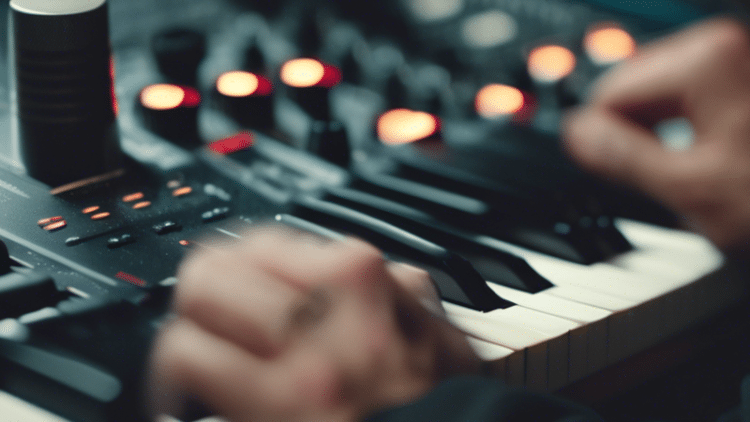
Types of Samplers: Hardware vs. Software
Hardware Samplers: Tactile Control and Vintage Charm
Hardware samplers are physical devices dedicated to sampling and sample playback. They offer several advantages:
- Immediate, tactile control
- Unique sound characteristics (often prized for their “warmth” or “character”)
- Standalone operation, not reliant on a computer
Popular hardware samplers include:
Software Samplers: Flexibility and Integration
Software samplers are virtual instruments that run on a computer. They offer:
- Deep integration with DAWs
- Virtually unlimited sample storage
- Advanced editing and manipulation features
Some popular software samplers include:
- Native Instruments Kontakt
- Ableton Simpler and Sampler
- Logic Pro EXS24 (now Sampler)
How Does a Sampler Work?
Understanding the inner workings of a sampler can help you make the most of this powerful tool. Let’s break down the key components and processes:
1. Sample Acquisition
The first step in using a sampler is acquiring the sound you want to work with. This can be done through:
- Recording directly into the sampler
- Importing pre-recorded audio files
- Using built-in synthesizer engines (in some modern samplers)
2. Sample Editing
Once you have your sample, most samplers allow you to edit it in various ways:
- Trimming the start and end points
- Adjusting the amplitude envelope (attack, decay, sustain, release)
- Applying effects like reverb, delay, or distortion
- Looping sections of the sample
3. Mapping and Playback
After editing, you can map your samples across a MIDI keyboard or other controller. This allows you to:
- Play the sample at different pitches
- Layer multiple samples
- Create complex, multi-sampled instruments
4. Sequencing
Many samplers, especially hardware units, include sequencing capabilities. This allows you to:
- Arrange samples into patterns
- Create complete tracks using only the sampler

The Impact of Samplers on Popular Music
Samplers have had a profound impact on the landscape of popular music. Let’s explore some key areas where samplers have left their mark:
Hip-Hop and the Art of Sampling
Hip-hop producers were among the first to fully embrace sampling as an art form. By taking snippets of funk, soul, and jazz records and repurposing them into new compositions, they created a entirely new genre of music. Iconic producers like DJ Premier, J Dilla, and The Bomb Squad built their careers on their innovative use of samplers.
Electronic Music and Sample-Based Production
In electronic music, samplers have been used to create everything from realistic instrument emulations to completely abstract soundscapes. Artists like Aphex Twin and The Chemical Brothers have pushed the boundaries of what’s possible with sampled sounds.
Pop Music and the Integration of Samples
Even in mainstream pop music, sampling has become a common practice. Producers like Timbaland and The Neptunes have used creative sampling techniques to craft unique, chart-topping hits.
Notable Artists and Their Use of Samplers
Many influential artists have made samplers a central part of their sound. Let’s look at a few examples:
Peter Gabriel: Pioneering the Fairlight CMI
Peter Gabriel was one of the first pop artists to embrace digital sampling. His use of the Fairlight CMI on albums like “Security” helped introduce the world to the possibilities of sampling technology.
Kate Bush: Creative Sampling in Art Pop
Kate Bush’s innovative use of the Fairlight CMI on albums like “The Dreaming” and “Hounds of Love” showcased how sampling could be used to create rich, layered soundscapes in art pop.
Trevor Horn: Shaping the Sound of 80s Pop
As a producer, Trevor Horn used sampling extensively to craft the distinct sound of bands like Frankie Goes to Hollywood and Art of Noise. His work helped define the sound of 80s pop and new wave.
Practical Applications: How to Use a Sampler in Your Productions
Now that we’ve covered the basics, let’s explore some practical ways you can incorporate sampling into your music production:
1. Creating Custom Drum Kits
One of the most common uses of samplers is to create custom drum kits. Here’s how:
- Collect drum samples from various sources (live recordings, sample packs, etc.)
- Load these samples into your sampler
- Map the samples across your MIDI controller
- Adjust the envelope and effects for each sample
- Play and record your custom kit
2. Layering Sounds for Richer Textures
Samplers excel at layering sounds. Try this:
- Load several complementary samples (e.g., a piano, a synth pad, and a texture)
- Map these samples to the same MIDI notes
- Adjust the volume and effects of each sample
- Play chords or melodies to create rich, complex sounds
3. Creating Unique Instruments
With a sampler, you can create instruments that don’t exist in the real world:
- Record or import several different sound sources
- Map these across your MIDI keyboard in creative ways
- Use envelope shaping and effects to blend the sounds
- Experiment with playing techniques to discover new sounds
4. Chopping and Rearranging Loops
Samplers are great for manipulating rhythm loops:
- Import a drum loop or musical phrase
- Chop the loop into individual hits or segments
- Map these segments across your MIDI controller
- Play the segments in new orders to create fresh rhythms and melodies
Ethical and Legal Considerations in Sampling
While sampling is a powerful creative tool, it’s important to be aware of the legal and ethical implications:
Copyright and Clearing Samples
If you’re using samples from copyrighted material, you need to obtain permission from the copyright holder. This process, known as “clearing” a sample, can be complex and potentially expensive.
Creative Commons and Royalty-Free Samples
To avoid legal issues, many producers use samples from royalty-free libraries or those released under Creative Commons licenses. These allow you to use the samples freely in your productions.
Creating Your Own Samples
The safest approach is to create your own samples. This not only avoids legal issues but also helps you develop a unique sound.
The Future of Sampling: AI and Beyond
As we look to the future, new technologies are set to revolutionize sampling once again:
AI-Powered Sampling
Artificial intelligence is beginning to play a role in sampling technology. AI algorithms can analyze and generate new samples based on existing ones, opening up new creative possibilities.
Granular Synthesis and Microsound
Advanced techniques like granular synthesis, which involves breaking sounds down into tiny “grains,” are becoming more accessible, allowing for even more detailed manipulation of samples.
Cloud-Based Sampling
Cloud technology is making it possible to access vast libraries of samples from anywhere, potentially changing how we think about sample storage and sharing.
Video: What Is a Sampler and How Does It Work?
Conclusion: The Endless Possibilities of Sampling
Samplers have come a long way since the days of splicing tape by hand. Today, they offer music producers an incredibly powerful and flexible tool for creating and manipulating sound. Whether you’re working with hardware or software, samplers open up a world of creative possibilities.
As you continue your journey in music production, don’t be afraid to experiment with sampling. Try different techniques, explore various types of samplers, and most importantly, let your creativity guide you. Remember, every sound in the world is a potential sample waiting to be transformed into something new and exciting.
So, the next time you’re working on a track, consider reaching for a sampler. You might just discover a whole new dimension to your music-making process. Happy sampling!
Related Posts
FAQs
A sampler is a musical instrument that records, manipulates, and plays back audio samples. These samples can range from single drum hits to complex phrases from other songs. By using these recorded sounds, samplers allow producers to create unique and diverse musical compositions.
Samplers began with analog tape in the 1940s, where sounds were recorded and spliced manually. The 1980s introduced digital samplers like the Fairlight CMI and E-mu Emulator, which allowed for more precise and flexible sound manipulation. This digital revolution marked a significant advancement in music production technology.
Hardware samplers are physical devices with tactile controls and unique sound characteristics. Software samplers are virtual instruments that run on computers, offering extensive integration with digital audio workstations (DAWs), advanced editing features, and virtually unlimited sample storage.
To create a custom drum kit, collect various drum samples, load them into your sampler, and map them across your MIDI controller. Adjust the envelope and effects for each sample to tailor the sounds to your preferences, then play and record your unique drum kit.
When using samples from copyrighted material, you must obtain permission from the copyright holder, a process known as clearing a sample. To avoid legal issues, consider using royalty-free samples or creating your own. This helps ensure your work remains legally compliant and original.